Comparison between UK and US Addresses
- Jun 23, 2024
- 1 min read
Address formats vary significantly between the UK and the US, reflecting differences in postal systems and conventions. Understanding these differences is essential for accurate and effective mailing.
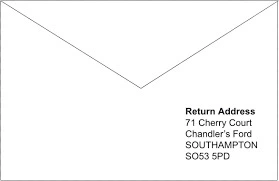
UK Address Format
In the UK, addresses typically follow this structure:
Recipient's Name
House Name/Number and Street Name
Locality (Optional)
Town/City
County (Optional)
Postcode
Country
Example: Mr. John Smith
123 Baker Street
Marylebone
London
W1U 6AA
United Kingdom
US Address Format
In the US, the address format includes:
Recipient's Name
Street Number and Name
Apartment/Suite Number (if applicable)
City
State Abbreviation
ZIP Code
Country
Example: Mr. John Smith
123 Main Street, Apt 4B
New York, NY 10001
United States
Key Differences
Postcode vs. ZIP Code: The UK uses postcodes that combine letters and numbers to identify areas, while the US uses ZIP codes, primarily numerical.
State Abbreviation: US addresses include a state abbreviation, which is not present in UK addresses.
Locality: The UK sometimes includes a locality line for smaller areas within towns or cities, which is uncommon in US addresses.
Format Order: The sequence of elements varies, with the UK placing the postcode before the country and the US listing the ZIP code before the country.
Similarities
Both formats ensure that the recipient's name and the main address components are clearly identified. Additionally, both systems use a hierarchical structure, moving from specific details (house number and street) to broader areas (city/town and country).
By recognizing these differences and similarities, one can correctly format addresses for both UK and US destinations, ensuring efficient postal delivery.
SITES WE SUPPORT


Comments